
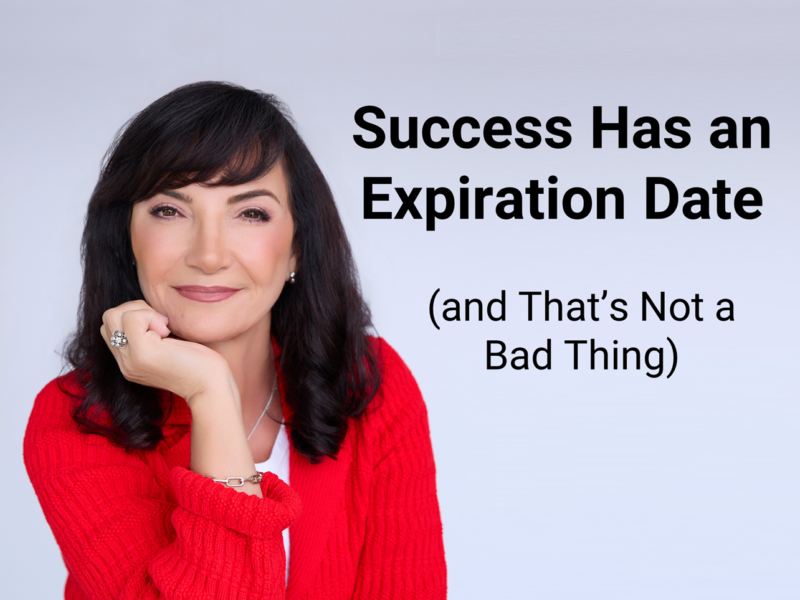
Over the weekend, I started my 65th year of living. That milestone made me pause and reflect on the fact that I’m now five years into my third and most rewarding career as an M&A advisor.
Also this month, a good friend recommended I read From Strength to Strength by Arthur C. Brooks. It’s pretty darn good.
One idea from the book stopped me cold.
The strengths that help you build success early in life don’t always serve you later.
That’s not a failure.
It’s biology. It’s timing. It’s reality.
Brooks explains that many high-performing professionals rely heavily on speed, intensity, and constant forward motion early in their careers. Those traits peak earlier than most of us expect. But when we try to force that same model forever, frustration creeps in, even when things still look “successful” from the outside.
Personally, I knew exactly when that shift happened for me. That’s when I decided to put my company up for sale.
I wasn’t burned out.
I wasn’t struggling financially.
I was bored. Tired of the same routine. Ready to move on, but unsure of what came next.
That question, “What’s next?” is one many sellers quietly wrestle with.
I was reminded of this recently at a large conference where I met with several prospective sellers in their late 50s and early 60s. On the surface, their businesses were doing great. Strong cash flow, solid teams, plenty of reasons to keep going.
And yet, they all shared something in common.
They were bored, tired, and not excited anymore.
Even though their companies were throwing off plenty of cash (often the very reason they hadn’t sold), they were subconsciously feeling a shift.
And recognizing that shift instead of avoiding it is the first big step.
The people who struggle most in the second half of life are often the ones who cling hardest to their original definition of success. Usually, it’s the title, the pace, and the identity of being indispensable.
The people who thrive are the ones who intentionally move to a second curve, even if they don’t yet know what that curve looks like.
I certainly didn’t when I sold my last company. In fact, not knowing almost kept me from signing at the eleventh hour. I wish I had read this book back then.
That second curve often looks like this:
- From execution to judgment.
- From doing to guiding.
- From being the center to creating leverage.
There’s a line in the book that really stuck with me…
“Maybe I would prefer to be special rather than happy.”
That sentence explains a lot of founder behavior.
It certainly explained mine at the time. I was special. Clients wanted me. Vendors wanted me on stage. Everyone knew me at conferences. My identity was deeply tied to being “the person.”
I see this all the time in owners who say they’re thinking about selling. They want the outcome, but they’re quietly wrestling with who they’ll be without the role that defined them.
An exit doesn’t just change your financial picture. It forces a reckoning with identity.
The most successful transitions I’ve seen aren’t driven by a number alone. They’re driven by clarity around what comes next and how future success can be shaped. Trust me when I say that finding that next passion is not easy. It can be scary to imagine sharing everything you’ve learned, building a company, serving customers, and working with vendors and employees, all in a completely different way.
Looking at what I do today, I realize I found a calling that has allowed me to move:
- From execution to judgment.
- From doing to guiding.
- From being the center to creating leverage (aka massive value for my clients).
So, for those of you who are thinking about selling (you know who you are), here’s the question worth sitting with:
Are you still chasing the version of success that got you here, or are you intentionally designing what the next chapter looks like?
If you’re starting to think seriously about what your next chapter might look like and whether selling is part of that picture, I put together a short quiz to help you get grounded.
It’s not a sales pitch. It’s simply a way to understand where you are today and whether selling, buying, or staying put actually makes sense right now.
You can find it here: https://rosebiz.com/buy-sell-quiz/
This decision…it’s not easy. But the important things rarely are.
And if you need someone to talk through it with, well, you know where to find me.
 The First Questions Sellers Should Ask a Potential Buyer